
The Dawn of Digital Input
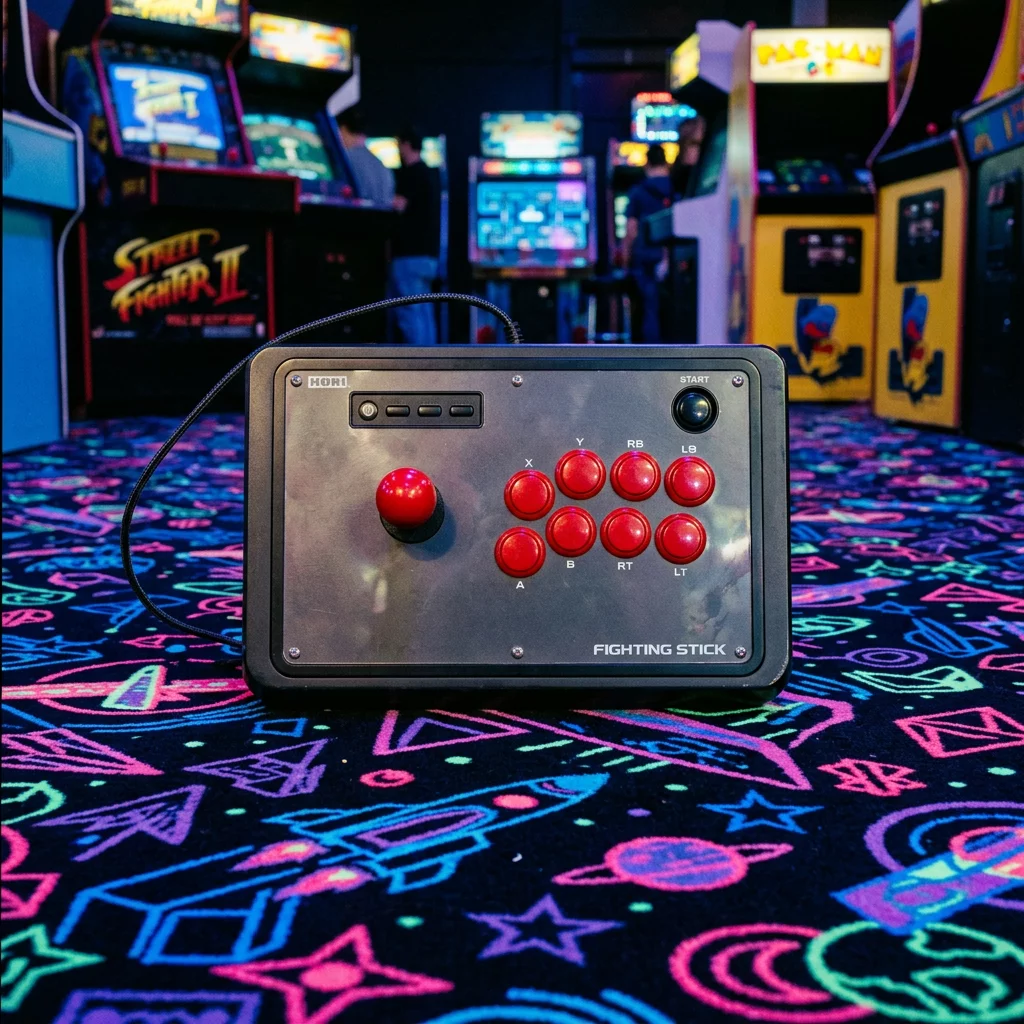
In the earliest days of interactive entertainment, the interface was primitive and often borrowed from established electronics of the time. Home consoles like the Magnavox Odyssey utilized simple knobs that felt more like laboratory equipment than gaming peripherals. It wasn't until the rise of the Atari 2600 that the industry settled on the iconic single-button joystick. This simple design defined a generation, focusing on directional movement and a single action. However, as games became more complex, the physical limitations of the joystick began to hinder creative potential.
The Cross That Changed Everything
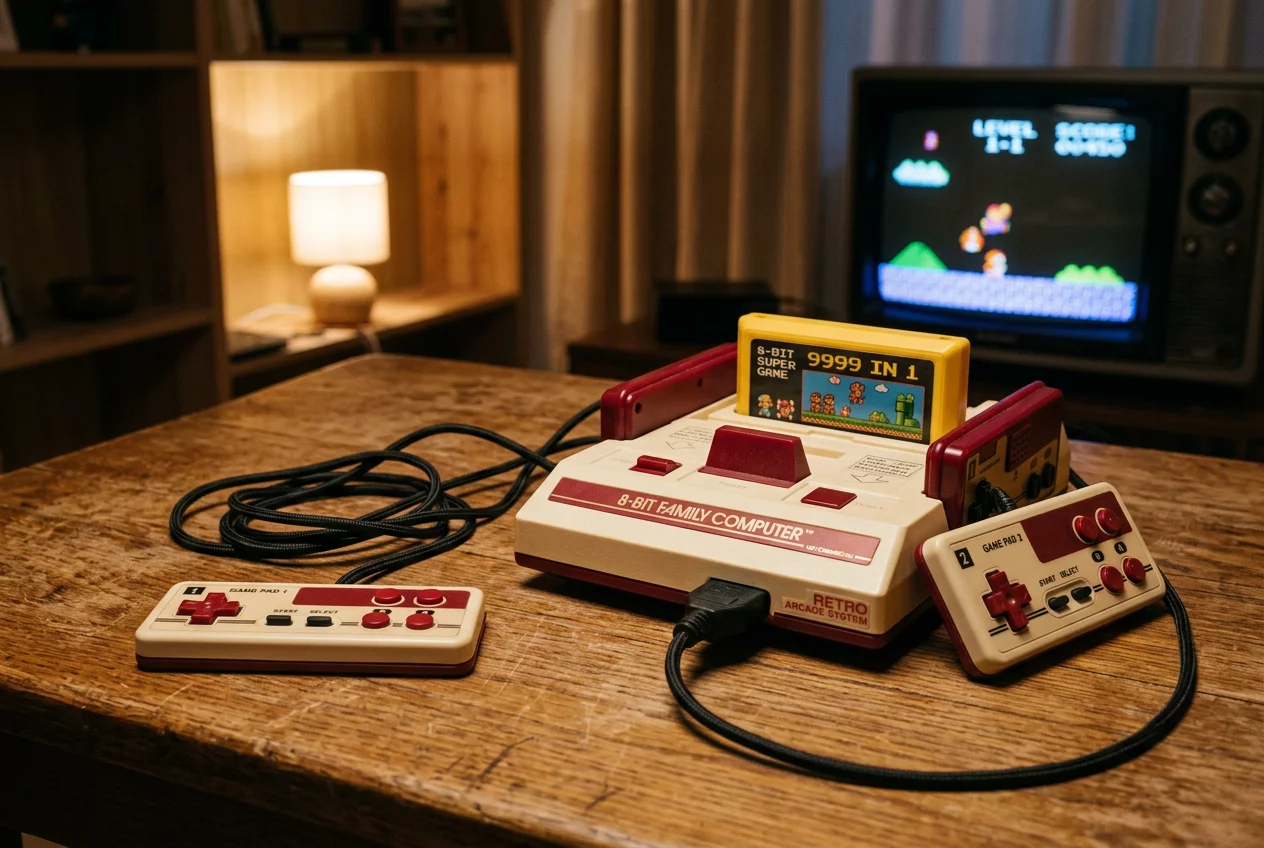
The true revolution arrived in the mid-80s when the focus shifted from a palm-held stick to a thumb-operated interface. The directional pad, or D-Pad, provided unparalleled precision for emerging 2D platformers. This design moved the industry toward a horizontal, two-handed grip that minimized hand fatigue and allowed for more buttons to be placed within reach of the fingers. It set the standard for every controller that followed, establishing the template of 'buttons on the right, movement on the left' that persists to this day.
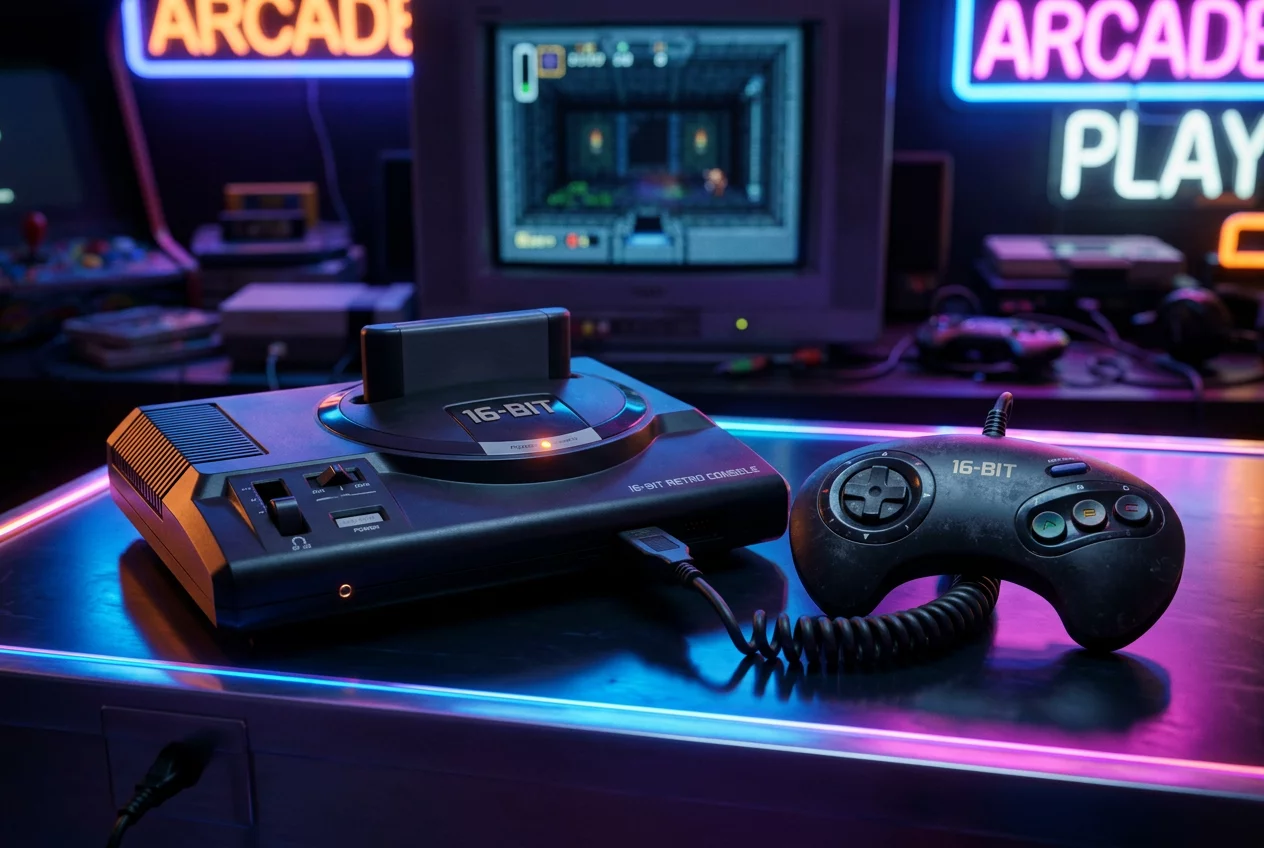
- Ergonomic Refinement: The 16-bit era brought the addition of shoulder buttons, allowing players to use their index fingers for the first time.
- The Analog Renaissance: With the jump to 3D, manufacturers re-introduced analog sticks with precise 360-degree range to navigate complex environments.
- Vibration and Feedback: Internal motors transformed sight and sound into physical sensation, making every virtual collision felt by the player.
The Modern Interface
Today, controllers are sophisticated pieces of engineering that handle massive amounts of data in real-time. Modern pads feature adaptive triggers that can change their resistance based on the in-game action, such as pulling a bowstring or firing a weapon. Haptic feedback has evolved to simulate specific textures, allowing a player to feel the difference between walking on gravel or splashing through water. We have moved far beyond the plastic bricks of the 80s into a world where the controller acts as a seamless extension of the player's intent, creating a connection that is both tactile and immersive.
Community Insights
PadMashing
15/05/2026
Ergonomics have come a long way. I still remember the blisters from the NES corners.
Leave a comment