
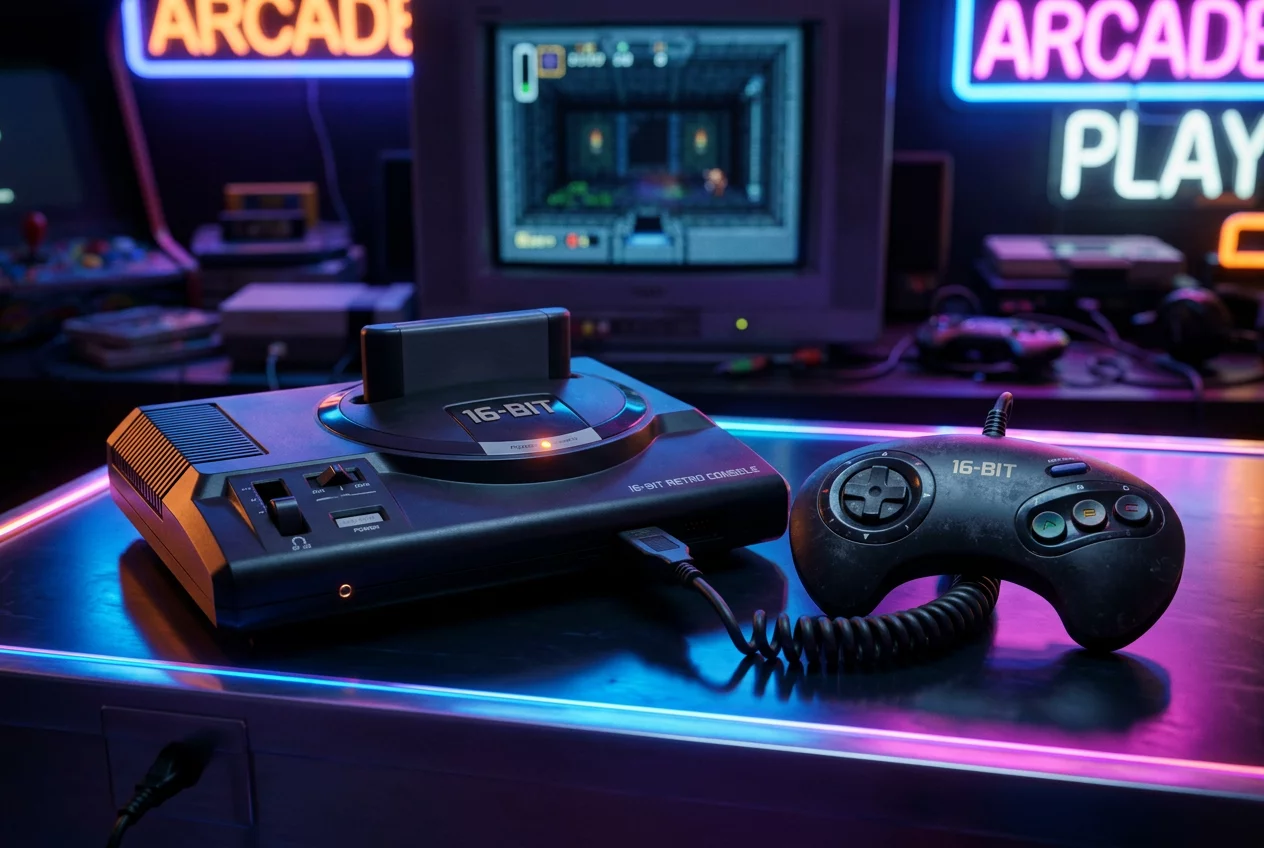
There is a specific warmth to the audio of the 1990s that modern orchestral tracks often fail to replicate. While today we enjoy lossless recordings and multi-channel surround sound, the 16-bit era forced composers to become architects of frequency and clever engineers of memory management. The result was a collection of melodies that weren't just background noise; they were the soul of the machine.
The Architectural Battle: FM Synthesis vs. Wavetable
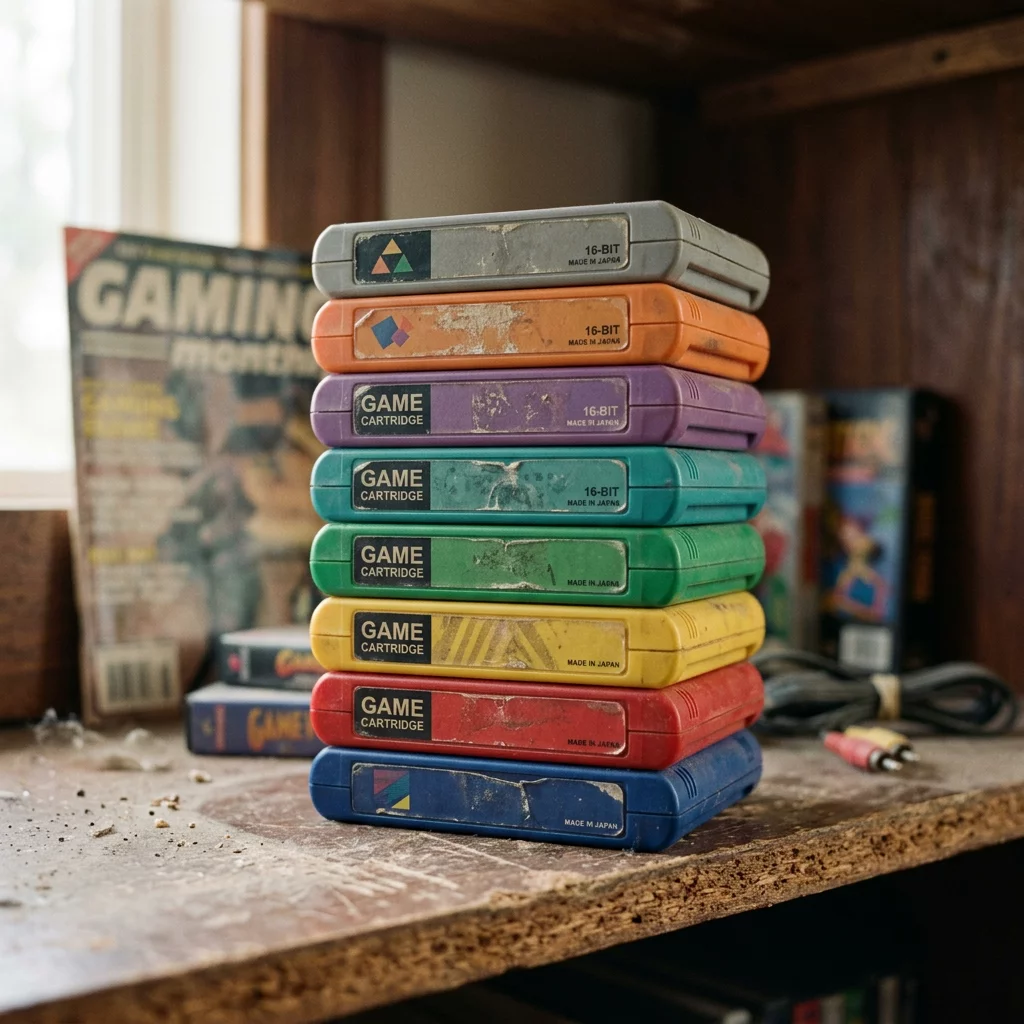
To understand why this era sound so unique, we have to look at the two different paths taken by the hardware giants. One side relied on sophisticated Frequency Modulation (FM) synthesis, creating metallic, sharp, and aggressive tones that fit high-speed action perfectly. The other side specialized in wavetable synthesis, using compressed samples of real instruments to create a lush, atmospheric experience that felt like a miniature symphony trapped inside a plastic cartridge.
- • The rhythmic punch of FM chips defined the electronic vibe of arcade conversions.
- • Restricted memory necessitated the use of short, catchy loops that stick in your brain for decades.
- • Innovative use of echo and reverb effects allowed small storage capacities to feel grand and cavernous.
Creativity Through Constraint
Modern composers have infinite tracks and infinite samples. In 1992, you might have only had eight channels to work with. If you wanted a drum beat, that took one channel. A lead melody took another. Suddenly, you were left with very little room for harmony. This limitation is exactly what made composers so brilliant; they used arpeggios to simulate chords and manipulated white noise to create percussion that felt alive.
"The 16-bit sound wasn't about realism; it was about translation. It translated the feeling of an orchestra into a language the silicon could understand."
Today, the crown of nostalgia often sits on the head of these early digital works. Developers in the online gaming space frequently return to these chiptune roots to evoke that sense of adventure. Whether it's the gritty basslines or the soaring synth leads, 16-bit audio reminds us that great music isn't about how many bits you have, but what you do with them.
Community Insights
SynthWave
10/05/2026
The sound chips back then were legendary.
Leave a comment