
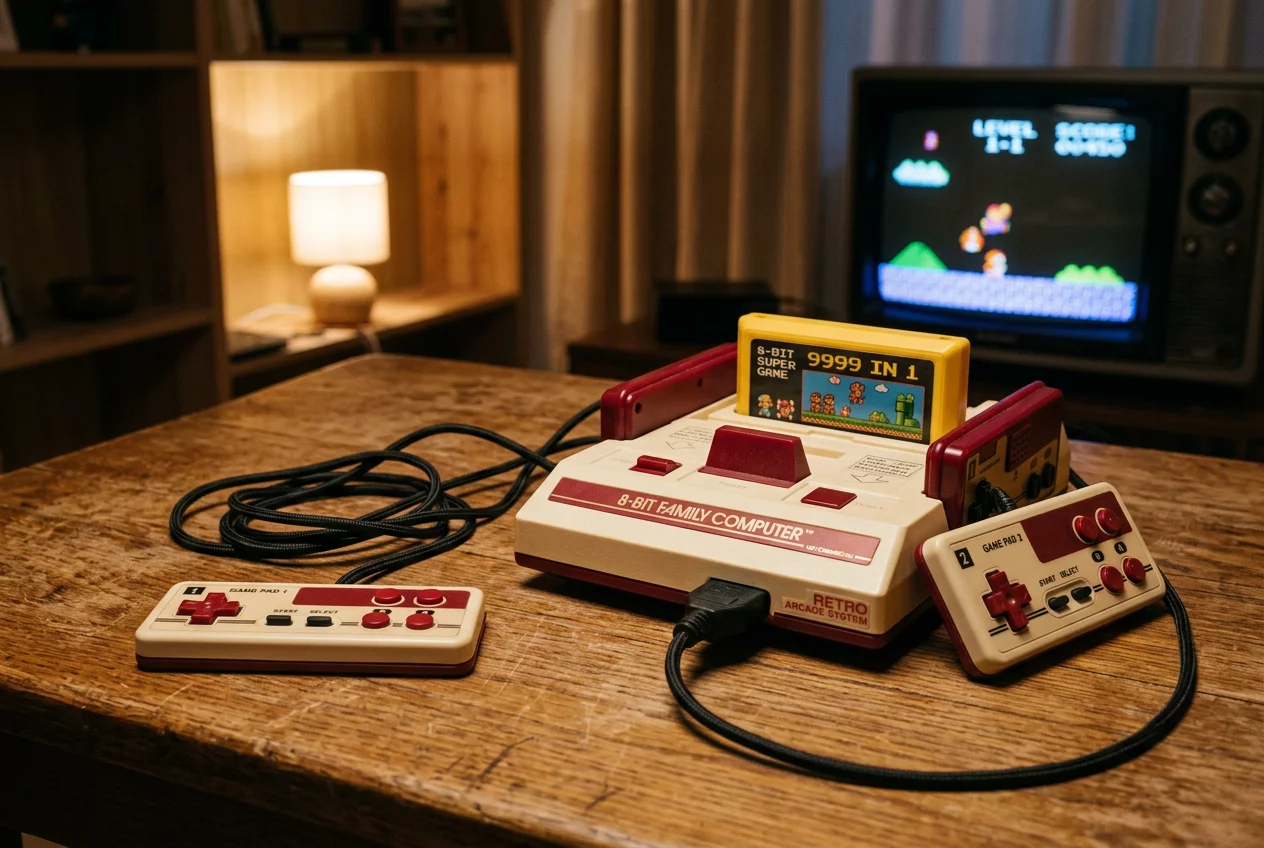
The mid-1980s marked a pivotal shift in how we perceived digital entertainment. Before the rise of sprawling 3D worlds, the platforming genre served as the testing ground for every fundamental mechanic we take for granted today. These 8-bit wonders didn't just provide fun; they established the grammar of gaming interaction.
The Mastery of Limitation
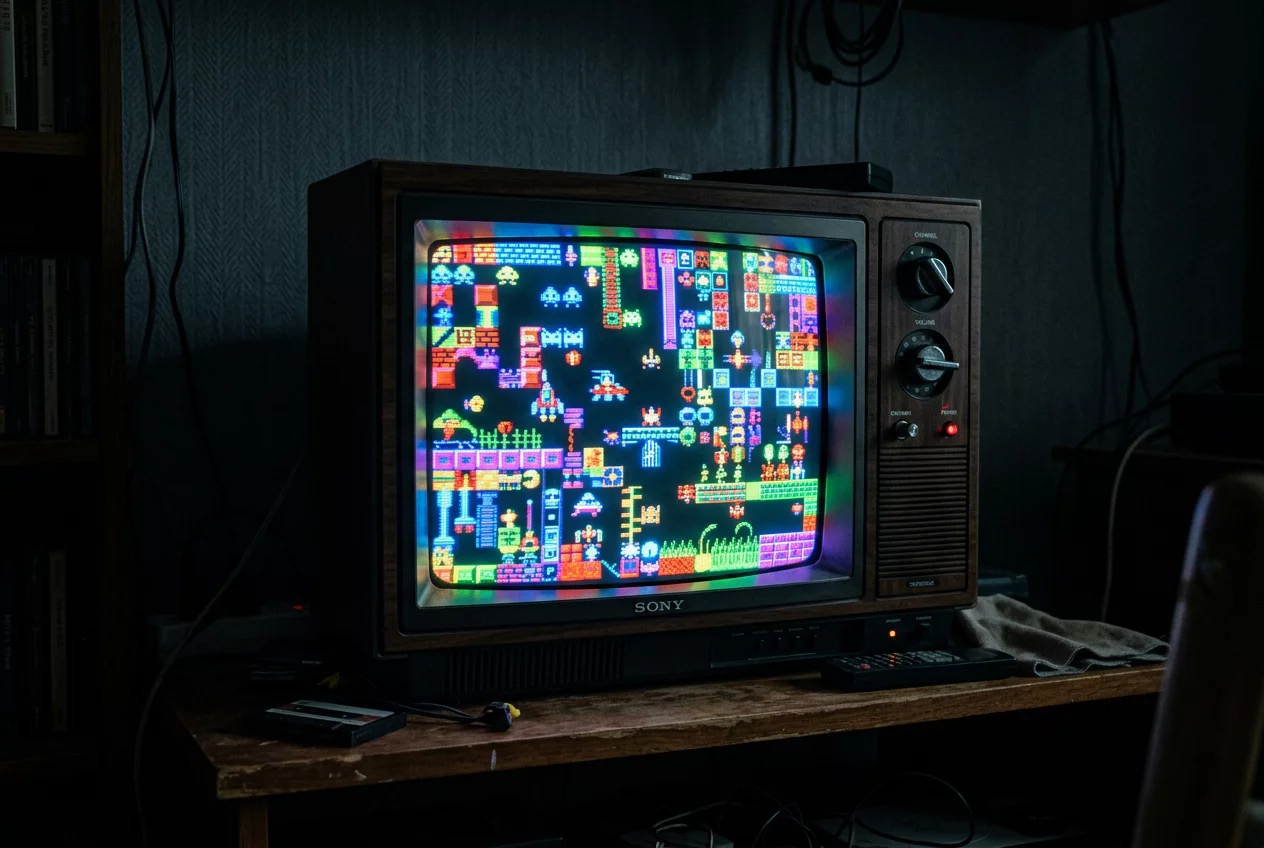
Developers during the 8-bit era operated under extreme hardware constraints. Memory was measured in kilobytes, and color palettes were strictly limited. Yet, these barriers sparked incredible creativity. Without the luxury of detailed cinematic cutscenes, story was told through environment and movement. The "jump" became the ultimate expression of player agency, requiring precise timing and pixel-perfect accuracy.
Level Design and Physics
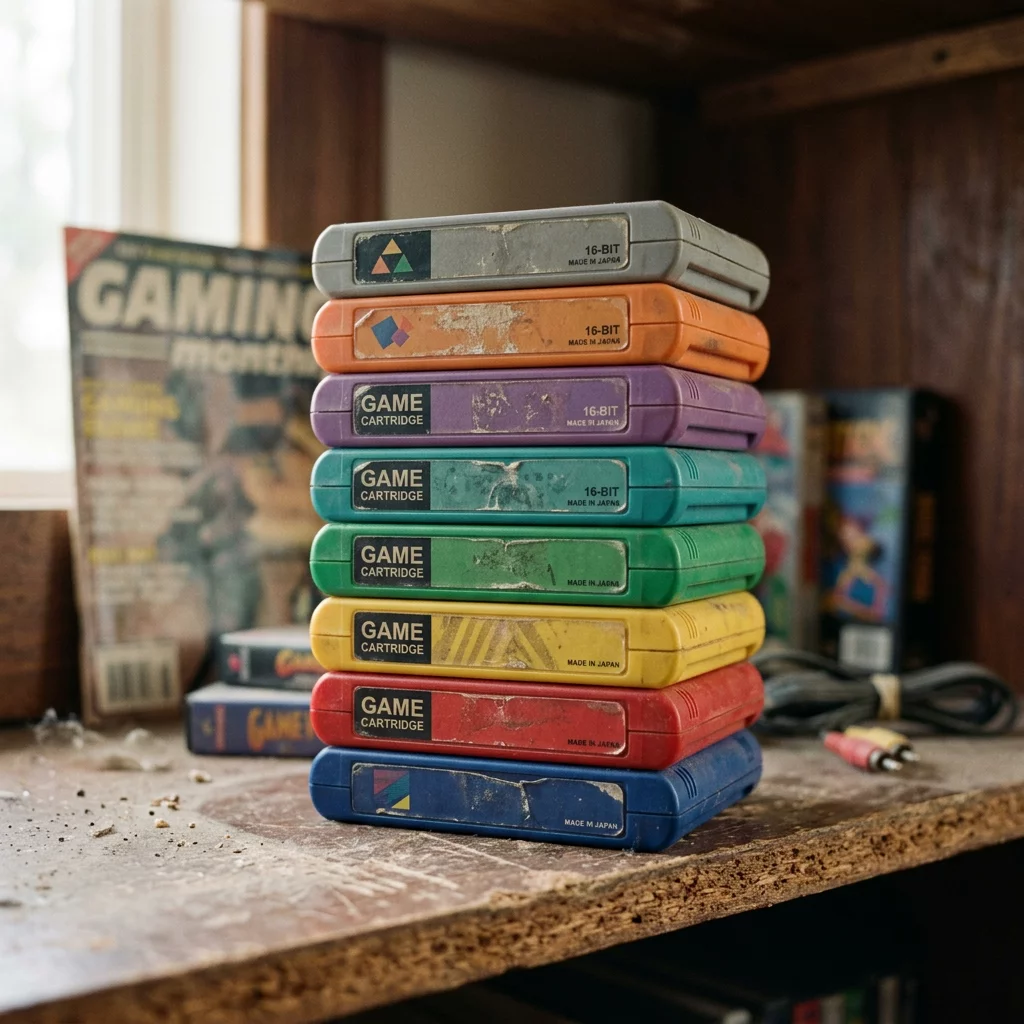
8-bit platformers introduced the concept of the screen-scroll, allowing for worlds that felt larger than the glass they were projected on. Designers learned how to guide the player's eye using power-ups and enemy placements. The crown of these achievements was the introduction of momentum and inertia within the physics engines of the time, making characters feel like they had actual weight in a digital space. These titles often found their way to fans through early cartridge distribution and later through local clones like the Dendy, which brought this revolution to entire generations online across various regions.
Even today, indie developers return to these roots. The simplicity of a character jumping over a pit remains as satisfying now as it was forty years ago. It is a testament to the purity of the design that these mechanics remain essentially unchanged.
Community Insights
RetroFan99
08/05/2026
Great read on the history!
PixelKing
10/05/2026
I still have my original console.
Leave a comment