
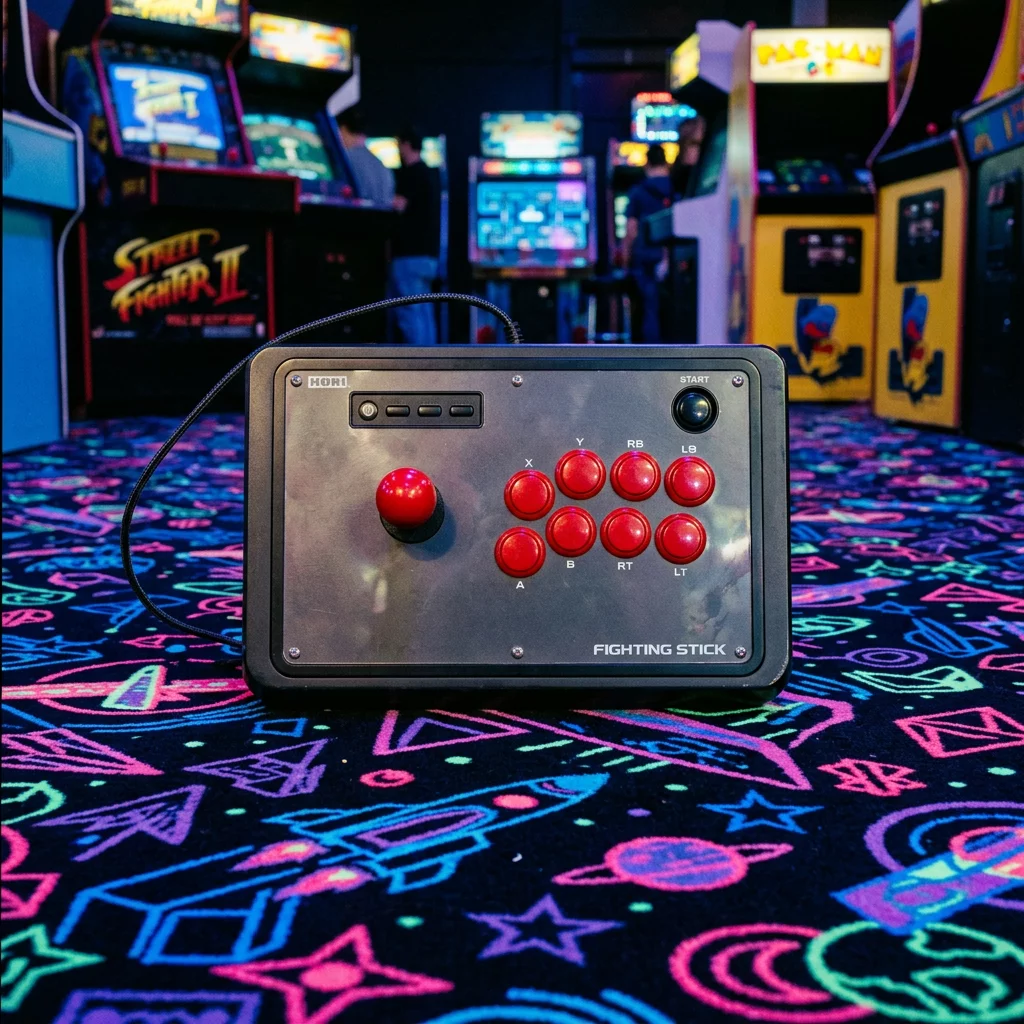
For gamers growing up in the 80s and 90s, the local arcade was a temple of high-fidelity graphics and booming synthesisers. It represented the absolute peak of technology, offering experiences that home hardware simply couldn't match. However, the dream of having those same experiences on a home television drove the industry forward, leading to what we now call the Golden Age of Arcade Ports.
The Hardware Gap
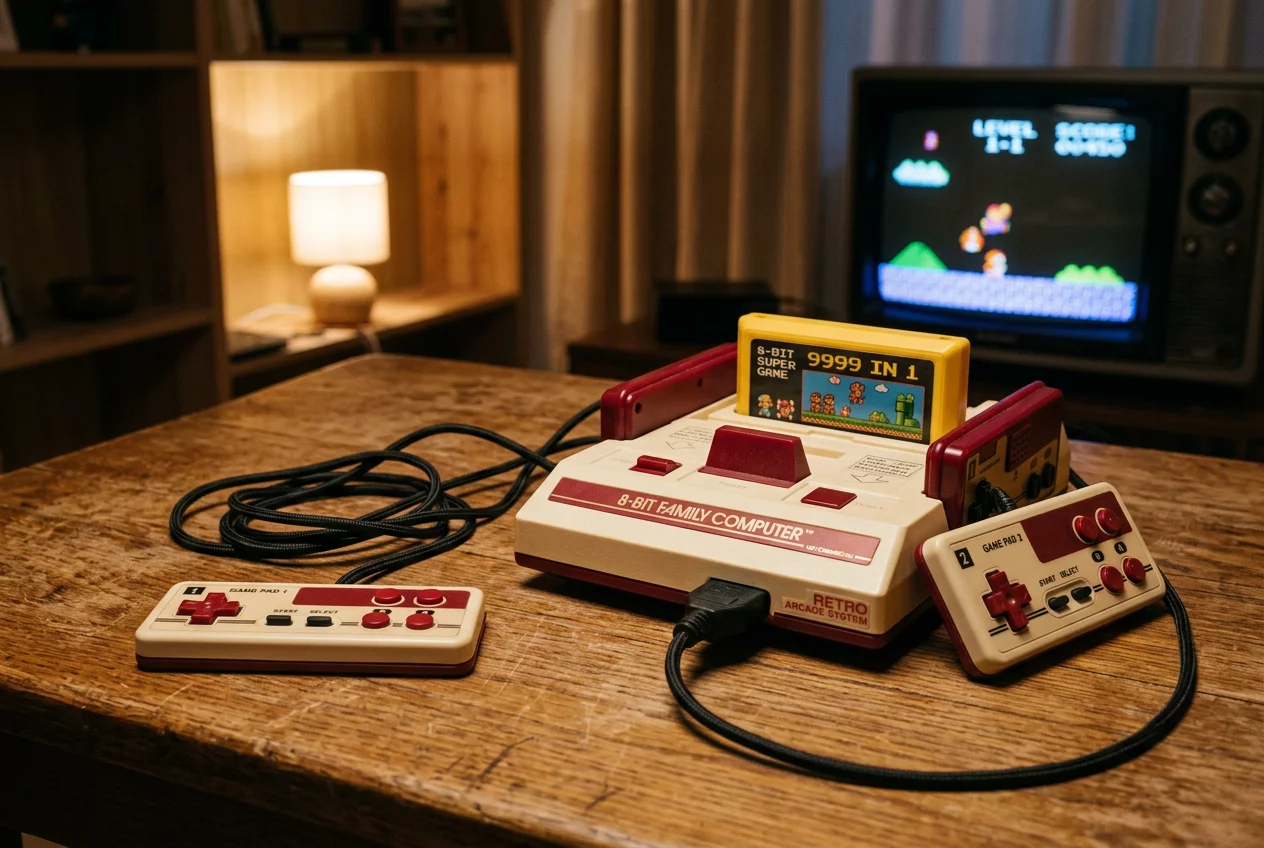
Home consoles like the Dendy (the legendary Famicom clone) faced immense challenges when trying to translate arcade titan titles. While a coin-op machine might have multiple dedicated processors and massive memory banks, home consoles had to optimize every single byte. Developers became masters of illusion, using clever scanline tricks and reduced sprite counts to maintain the spirit of the original gameplay without the machine overheating or crashing.
- Sprite flickering techniques to hide hardware limitations.
- Creative palette swapping to mimic complex lighting.
- Downsampled audio tracks that still captured the iconic melodies.
"A perfect port wasn't about identical pixels; it was about capturing that specific feeling of the arcade floor in your own bedroom."
Transition to 16-Bit
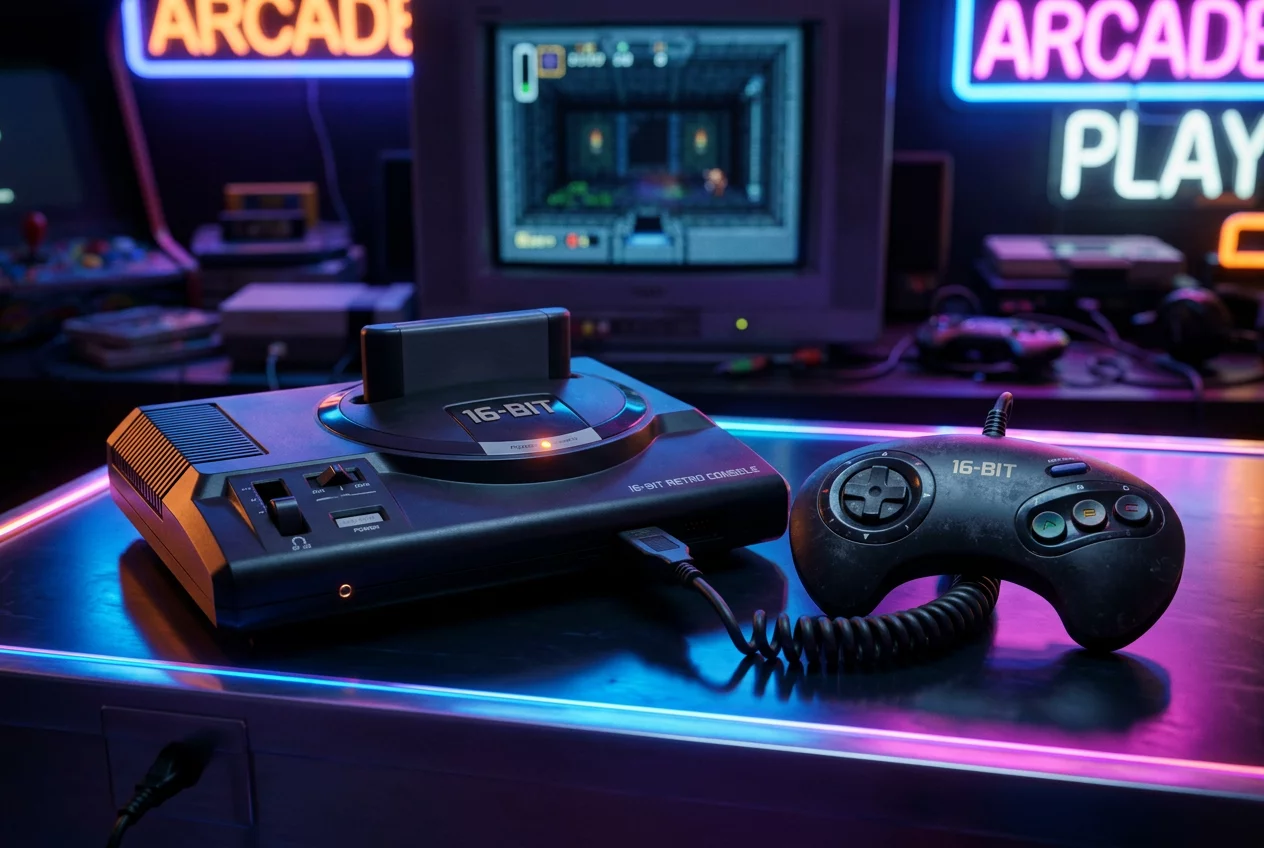
The arrival of 16-bit systems changed the landscape. With more colors and better sound chips, the gap between home and arcade began to shrink rapidly. Racing games and platformers that once looked like abstract blocks suddenly gained texture and environmental depth. It was a revolutionary time where the title on the box finally started to look like the footage on the screen at the mall.
Community Insights
ArcadeHero
02/06/2026
Nothing beats the feel of a real stick.
Leave a comment