
The Rise of an 8-Bit Empire
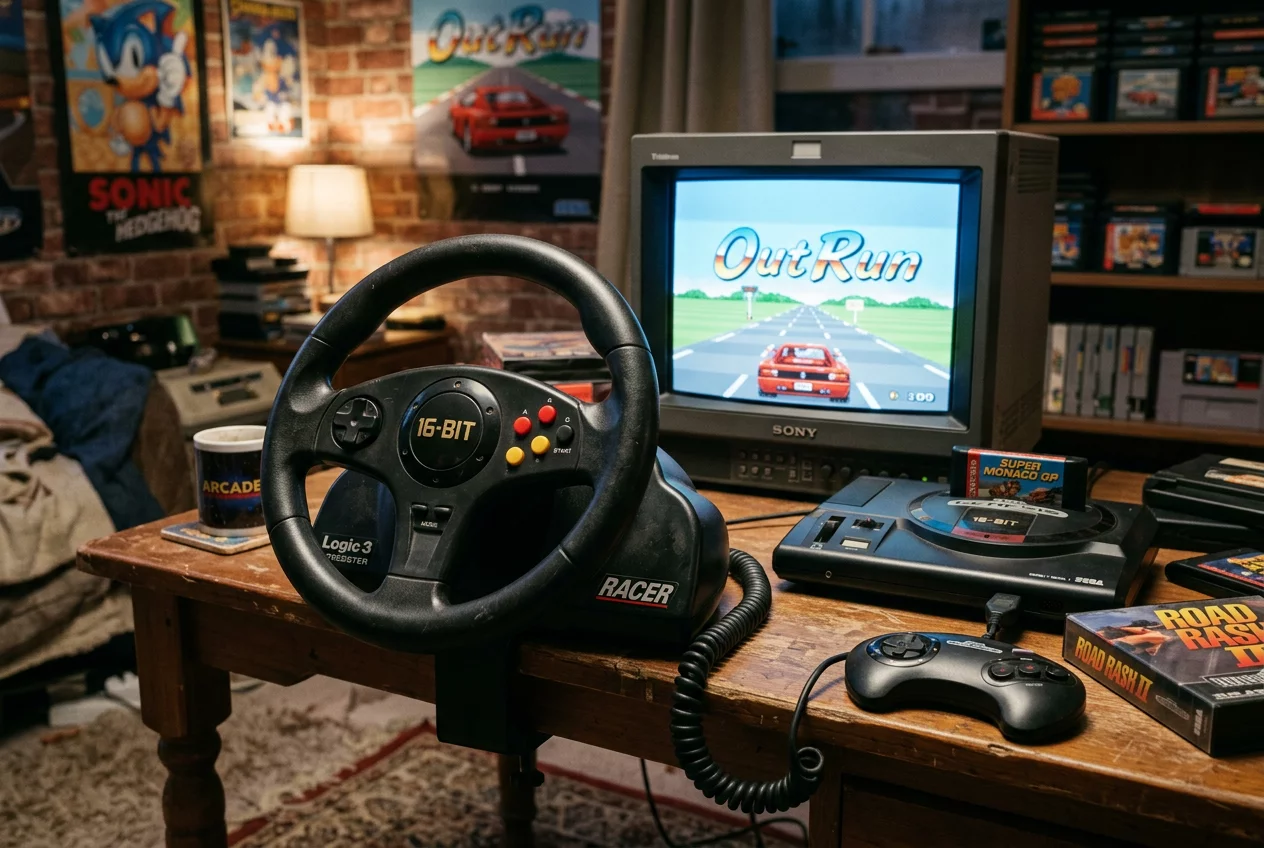
In the early 1990s, while the West and Japan were deep into the 16-bit console wars, a different kind of revolution was happening in other territories. The official NES was largely unavailable due to complex distribution hurdles and economic shifts. This vacuum was filled by the Dendy—a grey, 8-bit console that would eventually become more recognizable than the original Famicom it was based on. It wasn't just a toy; it was the gateway to digital culture for an entire generation.
Reverse Engineering the Magic
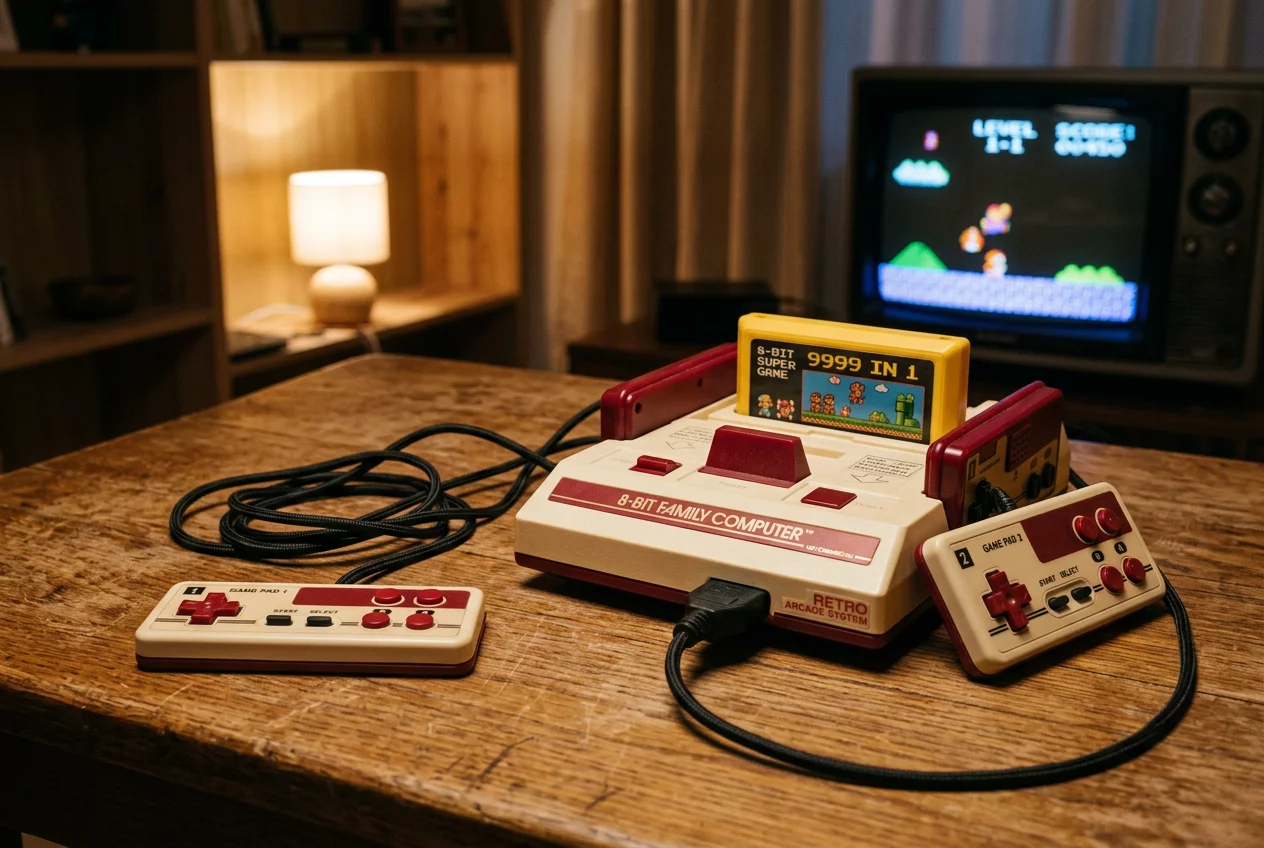
The Dendy wasn't produced by Nintendo, but by a company called Steepler. These machines utilized the MOS Technology 6502 processor architecture, effectively allowing them to run almost any Famicom or NES software. While technically "clones," the build quality of models like the Dendy Junior and Dendy Classic was surprisingly robust. These units survived years of heavy use in households where they were often the only piece of digital technology available.
"It wasn't about brand loyalty; it was about the pure joy of the 8-bit experience accessible to everyone."
The Yellow Cartridge Phenomenon
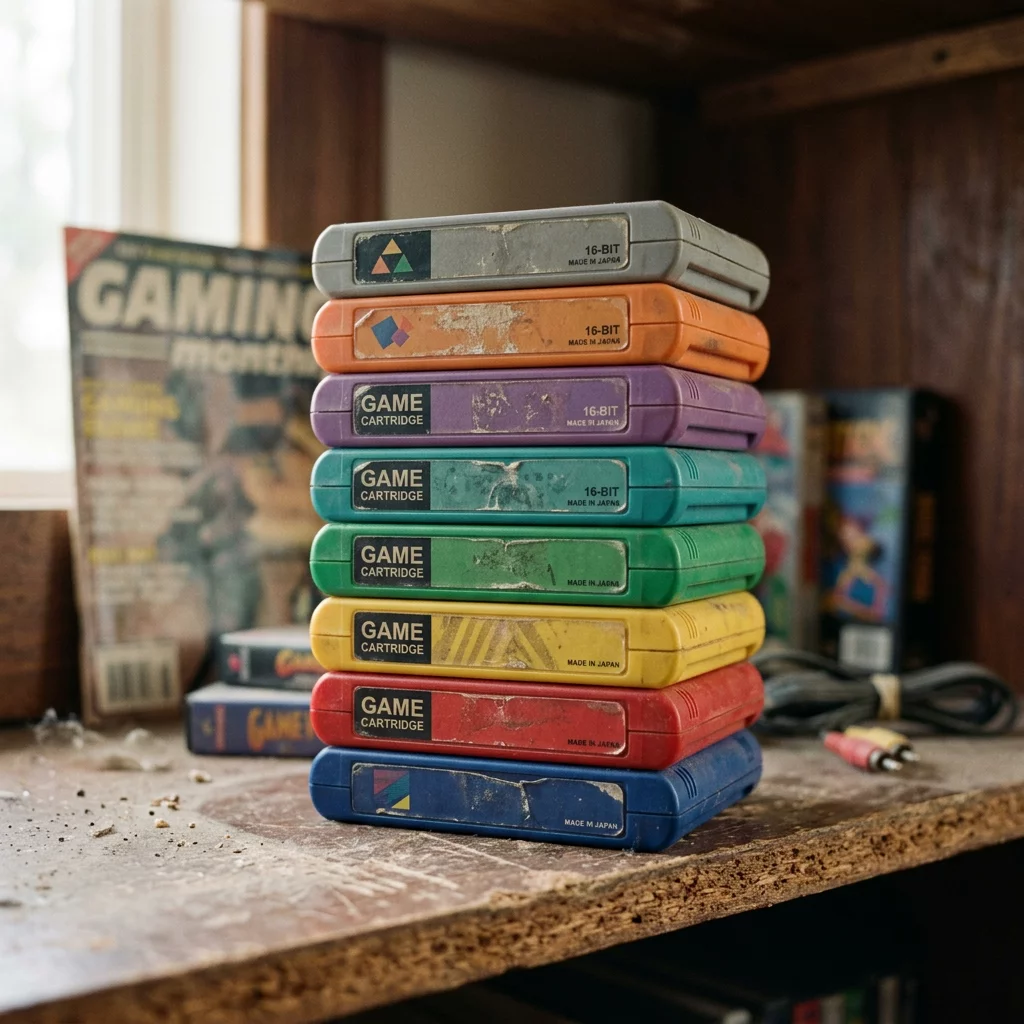
No discussion of Dendy history is complete without the iconic yellow cartridges. These weren't official releases, yet they formed the backbone of the library. From the legendary "999,999-in-1" multi-carts—which usually contained a handful of real games repeated with slightly different palettes—to unauthorized ports, the variety was staggering. These cartridges were traded in schoolyards and sold in small kiosks, creating a grassroots distribution network that official manufacturers couldn't match at the time.
Marketing and Cultural Legacy
The elephant mascot and the catchy jingle "Dendy, Dendy, we all love Dendy!" became deeply ingrained in the popular consciousness. Even as 16-bit clones like the Sega Mega Drive variants arrived, the Dendy remained the "people's console." It democratized gaming, proving that the desire for interactive entertainment transcends official borders. Today, collectors seek these clones not just for nostalgia, but as artifacts of a unique moment in tech history where reverse engineering met massive cultural demand.
Community Insights
CloneWars
18/06/2026
Fascinating history behind these machines. I still remember the smell of the plastic on a new Dendy Junior.
Leave a comment