
The Ghostly Lines of Retro Display
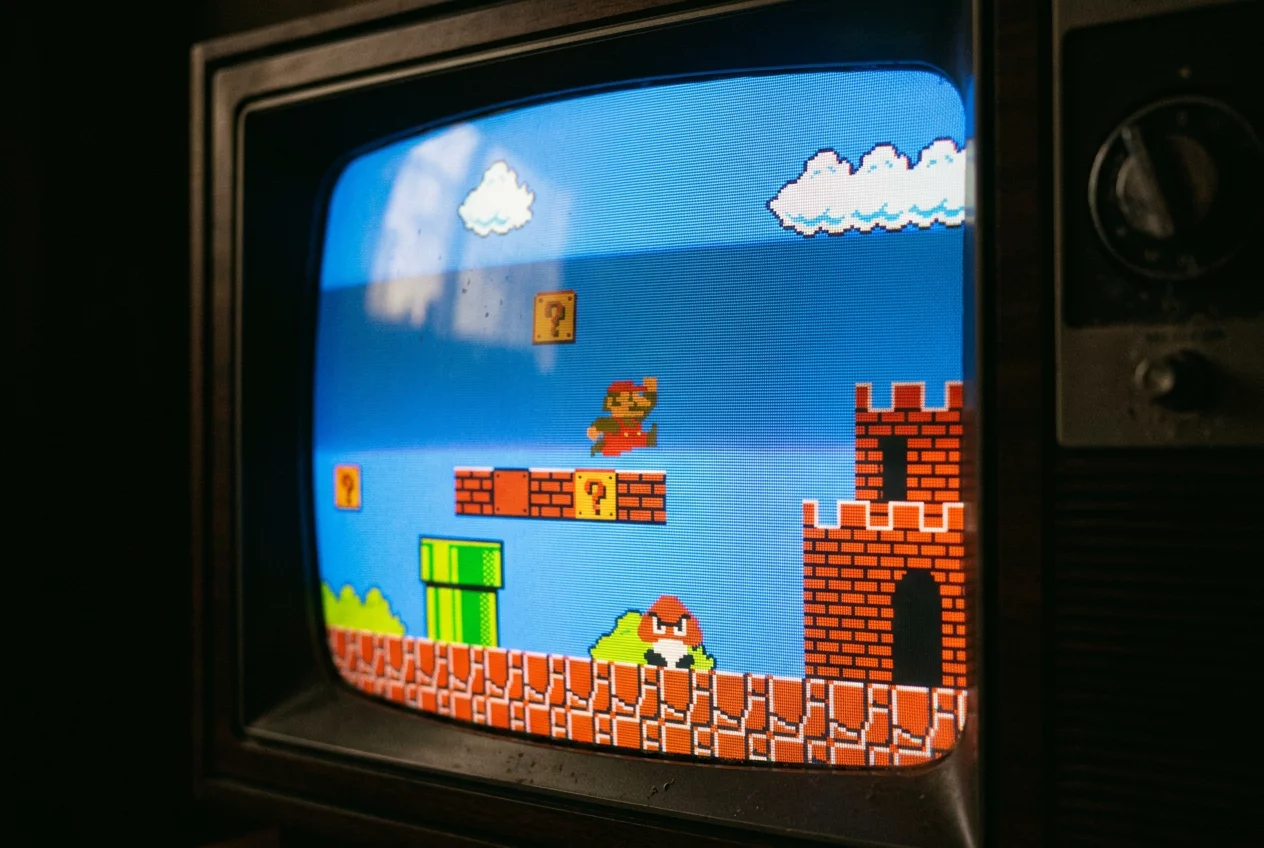
If you grew up during the 80s or 90s, your gaming experience was filtered through a very specific visual texture. Those faint horizontal lines stretching across the screen weren't a defect; they were an inherent part of how Cathode Ray Tube (CRT) televisions functioned. As the electron gun inside the television scanned across the phosphor coating from top to bottom, it left small gaps between the lines. These gaps are what we now affectionately call scanlines.
For designers of that era, scanlines were a tool. They provided a form of natural anti-aliasing. A jagged 8-bit sprite that looks harsh and blocky on a modern 4K LCD would appear soft, rounded, and surprisingly detailed on a CRT. The black space between the lines helped our brains fill in the blanks, blending colors together in a way that modern pixel-perfect displays simply cannot replicate without heavy processing.
The scanline is the glue that holds the pixels together, turning raw data into a cohesive image that feels organic rather than digital.
Key CRT Characteristics
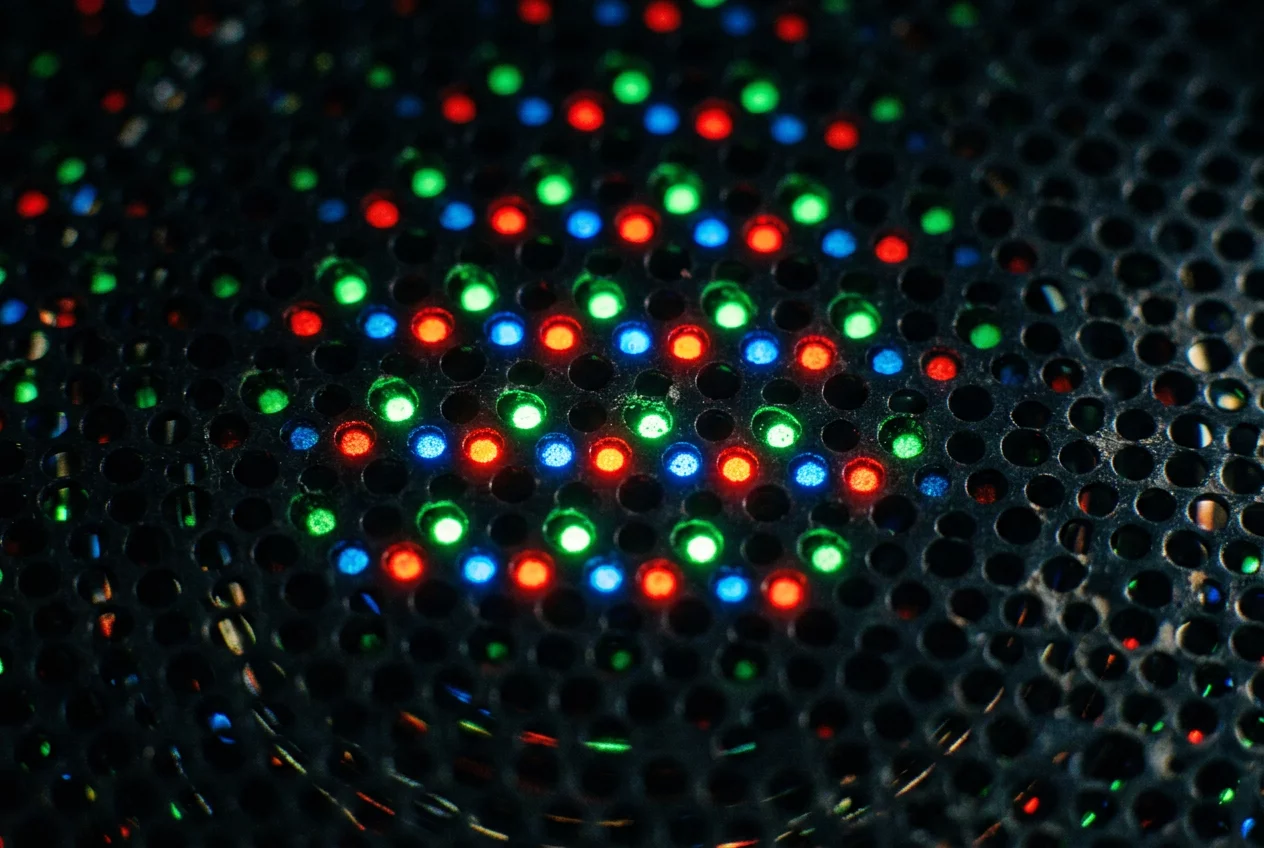
- The Shadow Mask: A metal sheet with holes that focused the electron beam for color precision.
- Phosphor Persistence: The slow fade of light that reduced perceived flicker during rapid motion.
- 240p Signal: The standard used by consoles to create stable scanlines by skipping every other line.
- Zero Latency: Since the signal is purely analog, there is no frame buffer lag between the input and the screen.
Phosphors and the Radiant Glow
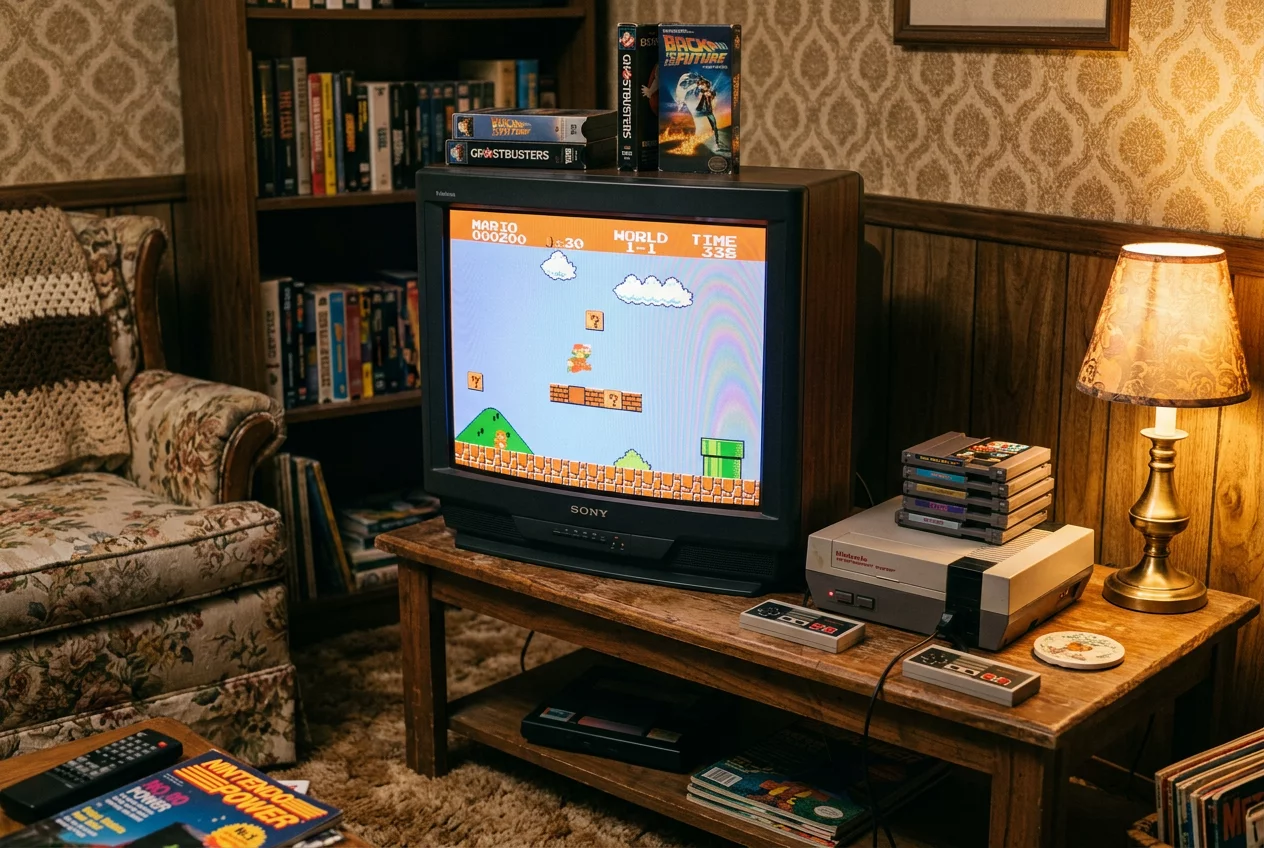
It isn't just about the lines themselves. CRTs also featured a distinct bloom effect where bright pixels would slightly bleed into the surrounding dark scanlines. This created a luminous, vibrant look that made fireballs, neon lights, and magic effects feel alive. When you see these games today on a flat-panel screen, they often look flat because they lack this sub-pixel interaction. This glow is what modern enthusiasts spend thousands on professional video monitors to bring back.
Others rely on sophisticated shaders in software like RetroArch, which attempt to simulate the curvature, the shadow mask, and those iconic scanlines. It remains a fascinating intersection of physics and art—a technology that was meant to be invisible but ended up defining the look of a whole generation of entertainment. Understanding these lines is the first step toward truly appreciating the craftsmanship of early game developers.
Community Insights
This could be your first comment. Share your thoughts on CRT scanlines!
Leave a comment